
Our People
Platform Leadership Team
Our Platform Leadership Team is responsible for implementing the Platform strategy, providing science direction in our themes and programmes, managing integration across the Platform, and overseeing engagement and partnering for impact.
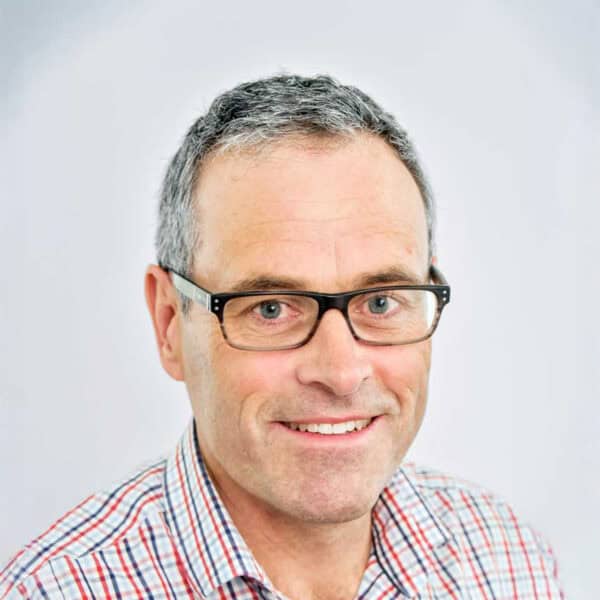
Richard Smith
Platform Director
Richard Smith
Platform DirectorRichard has a hybrid background in natural hazards research facilitation, disaster risk reduction policy and practice, and resilience strategy development.
Previous roles include directing the Resilience National Science Challenge, leading the public-good research and resilience functions for the Earthquake Commission (now the Natural Hazards Commission), and supporting hazard risk management policy and practice and provision of science advice for the Ministry of Civil Defence & Emergency Management (now the National Emergency Management Agency).
Richard has a PhD in Geological Sciences from the University of Canterbury, and prior to escaping academia was a Senior Lecturer in Earth Sciences at the University of Waikato.
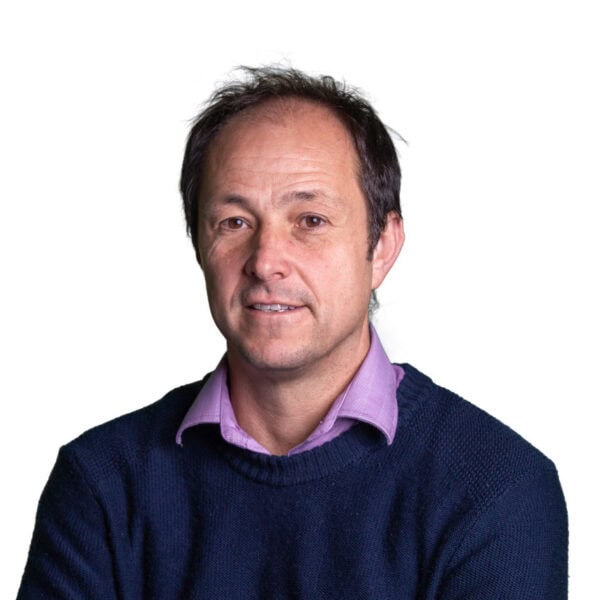
Bill Fry
Programme leader – Data and Enabling Technologies
Bill Fry
Programme leader – Data and Enabling TechnologiesBill is a scientist at Earth Sciences New Zealand and an Honorary Associate Professor at the University of Otago. His expertise spans earthquake and tsunami hazard as well as the physical processes that create these perils.
Bill is chair of the United Nations working group for tsunami early warning in the Pacific, leads the MBIE Endeavour Rapid Characterisation of Earthquakes and Tsunamis research programme and is director of the National Tsunami Model. He co-led the Earthquake & Tsunami programme in the Resilience to Nature’s Challenges National Science Challenge.
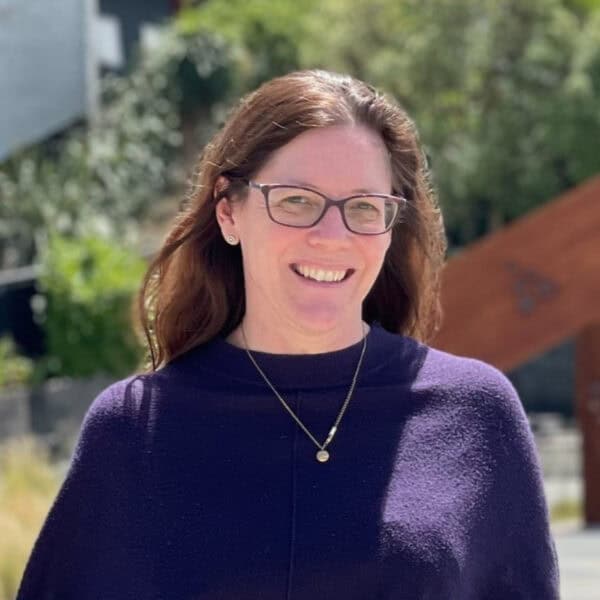
Julia Becker
Theme leader – Living with Risk
Julia Becker
Theme leader – Living with RiskJulia is a Professor and Deputy Director at the Joint Centre for Disaster Research in the School of Psychology at Massey University. She specialises in researching individual and community preparedness, community resilience, land-use planning for natural hazards, and hazard-event warnings. She has worked extensively in Canterbury before and during the Canterbury Earthquake Sequence, and following the Kaikōura earthquake. As well as working closely with the National Emergency Management Agency and regional Emergency Management Groups, she has worked in Australia, USA, Japan and the wider Pacific on social issues of hazards and disasters. Julia co-led the Resilience, Policy & Governance programme in the Resilience to Nature’s Challenges National Science Challenge.
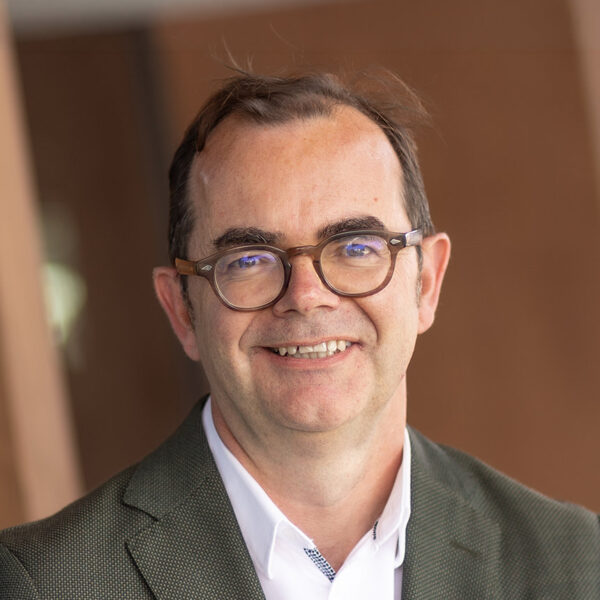
Iain White
Theme leader – Better Resilience Decisions
Iain White
Theme leader – Better Resilience DecisionsIain is Professor of Environmental Planning at the University of Waikato and has held other academic leadership roles, including Associate Dean Research and Assistant Vice-Chancellor Impact. He is also New Zealand’s National Contact Point for ‘Climate, Energy, and Mobility’ for the European Union’s Horizon Europe research programme. He is at the forefront of scholarly, policy and public debates on better decision making regarding natural hazards, climate change adaptation, and sustainable urban futures. He is an experienced research leader having led or co-led teams in around 25 research projects, including within three of New Zealand’s National Science Challenges and internationally within Horizon Europe. In 2020 he won the University of Waikato Vice Chancellor’s individual award for Research Excellence and in 2021 the New Zealand Planning Institute Award of Merit.
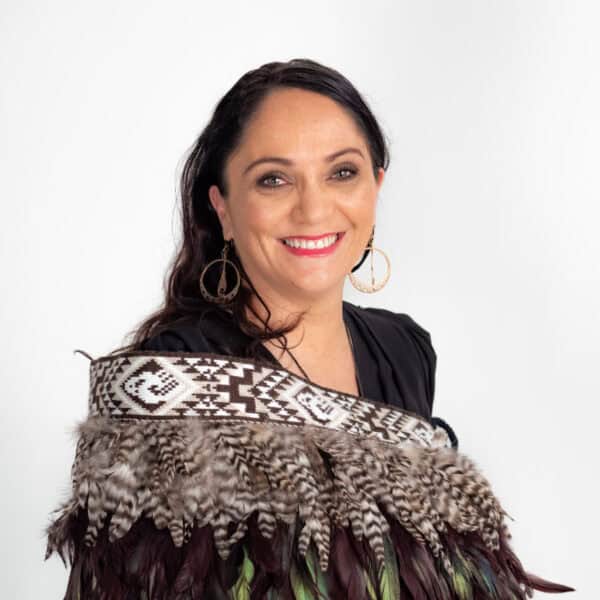
Melanie Mark-Shadbolt
Pou Whakahaere – Vision Mātauranga programme
Melanie Mark-Shadbolt
Pou Whakahaere – Vision Mātauranga programmeMelanie (Ngāti Kahungunu ki Wairarapa, Ngāti Porou, Te Arawa, Ngāti Raukawa, Ngāti Tuwharetoa, Te Atiawa), is an indigenous environmental advocate who is a co-founder and the CEO of Te Tira Whakamātaki, a Māori environmental not-for-profit and home to both the Māori Biosecurity Network and Māori Emergency Management Network. She is the former Deputy Secretary Māori Rights & Interests at the Ministry for the Environment and was formerly Kaihautū Ngātahi Director Māori of the Biological Heritage National Science Challenge and Co-Chair of the Resilience to Nature’s Challenges National Science Challenge.
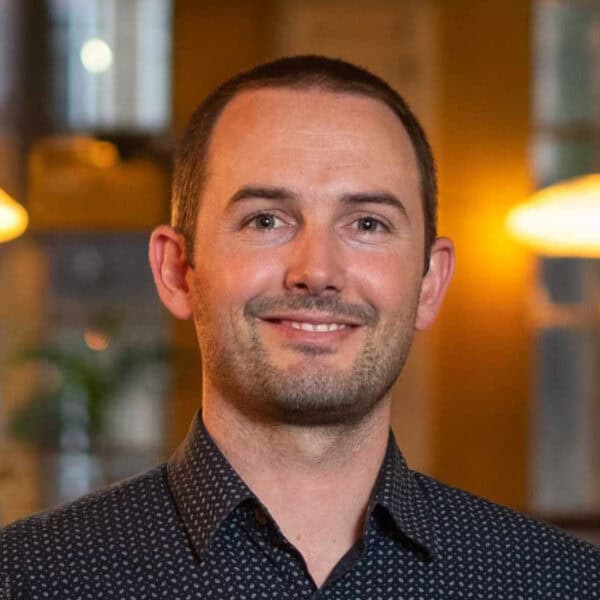
Liam Wotherspoon
Theme leader – Next Generation Risk Assessment
Liam Wotherspoon
Theme leader – Next Generation Risk AssessmentLiam is a Professor in the Civil and Environmental Engineering Department at The University of Auckland. He is involved in engineering research across a range of natural hazards, with a particular focus on Aotearoa New Zealand’s infrastructure networks. He is a Fellow of the New Zealand Society for Earthquake Engineering and is on the leadership team of Te Hiranga Rū QuakeCoRE. Liam was heavily involved in post-event response and research during the Canterbury Earthquake Sequence, the Kaikōura earthquake and Cyclone Gabrielle. Liam co-led the Built Environment programme in the Resilience to Nature’s Challenges National Science Challenge.
Platform Steering Group
Our independent steering group brings together experts from key sectors relevant to the Platform’s mission, to advise on the Platform’s strategic direction.
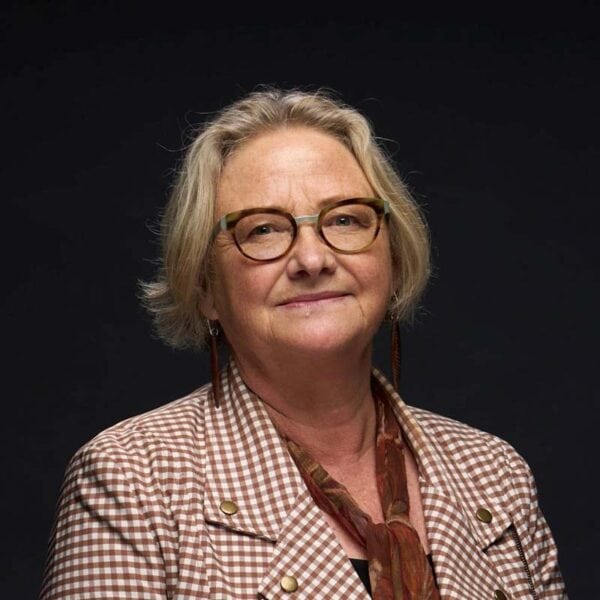
Sally Davenport
Steering Group – Chair
Sally Davenport
Steering Group – ChairSally is a Professor Emeritus of Management at Te Herenga Waka Victoria University of Wellington’s Business School, and a technology and innovation strategy expert. She has a background in the physical sciences and her research interests centre on that science heritage — the commercialisation and impact of scientific research, science-based entrepreneurship and the growth of high-tech firms as well as innovation strategy and policy.
Sally spent eight years as Director of the Science for Technological Innovation National Science Challenge. This experience led to an intense interest in how such mission-led approaches can create lasting impact through relationship building and behavioural change. Sally is currently a Commissioner with the Tertiary Education Commission and also chairs the Advisory Group for the Future Magnets and Materials Technologies Platform. She was awarded a MNZM in 2017 for services to science.

Jamie Rawhiu
Steering Group member
Jamie Rawhiu
Steering Group memberBio to come…
Alison Collins
Steering Group member
Alison Collins
Steering Group memberAlison has a background in geomorphology, having studied in the UK, Europe, and Mississippi before moving to New Zealand 20 years ago. She spent 12 years at Manaaki Whenua – Landcare Research, where she oversaw research in ecosystems, soils, land use, and informatics.
She collaborated extensively with councils and central government to understand and prioritise science needs, as well as with the science community to find strategies to improve science uptake and utilisation. In this role, she founded and became director of a centre for integrating and disseminating data and science-based tools. Alison began working at the Ministry for the Environment as Departmental Chief Science Advisor in August 2017.
Her position focuses on translating science and navigating the science system so decision-makers can better access and use research.
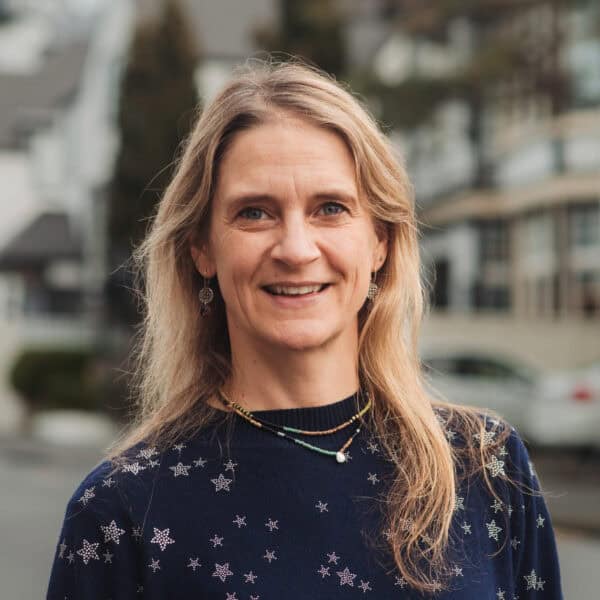
Jo Horrocks
Steering Group member
Jo Horrocks
Steering Group memberJo is the Chief Resilience and Research Officer at the Natural Hazards Commission Toka Tū Ake. Her team contribute to a programme of around $24 million investment in scientific data, research and education to help us better understand New Zealand’s natural hazards risks.
Jo joined NHC Toka Tū Ake following 13 years in the Ministry of Civil Defence and Emergency Management. There she led development of the National Disaster Resilience Strategy, as well as other strategic national policies and programmes. Jo is a volcanologist and completed her PhD in the study of volcanic ash.
Jo is strongly motivated by tackling complex social issues and progressing improved outcomes for New Zealanders. Her future focus is ensuring scientific research results get to the right people making decisions on the policies and practices that make a difference for households and communities.
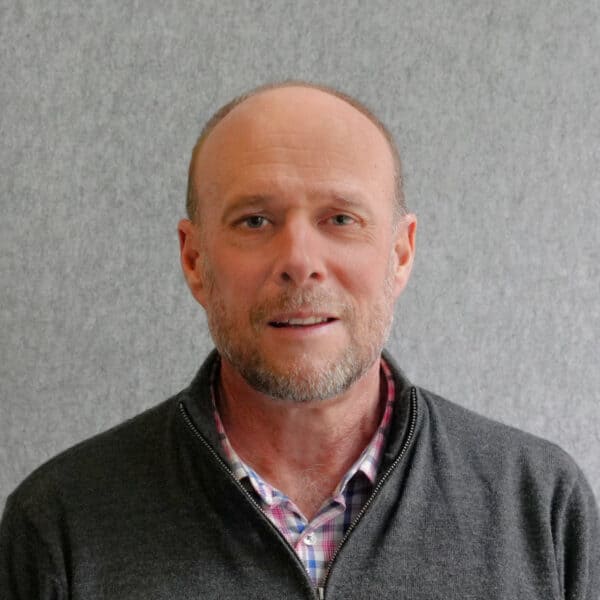
Iain Maxwell
Steering Group member
Iain Maxwell
Steering Group memberIain is the Executive Director for Te Uru Kahika, the collective of 16 Regional Councils and Unitary Authorities. He was previously the Group Manager of the Integrated Catchment Management Group for Hawke’s Bay Regional Council and has held other executive leadership roles with council.
During his time with council he has worked across council’s emergency management and regulatory systems. Iain’s 35 year career in natural resource management has spanned the Department of Conservation, Fish and Game New Zealand and the Cawthron Institute, alongside 13 years in executive leadership with local government. While working for HBRC, Iain has worked at a national and regional level supporting the development of implementable policy with the support of great science.
Iain has convened the Resource Managers Group, Biomanagers Group, Science Advisory Group and Envirolink Governance Group of council senior leaders. Iain was on the governance group of the Our Land and Water National Science Challenge and chaired the New Zealand Poplar and Willow Research Trust.
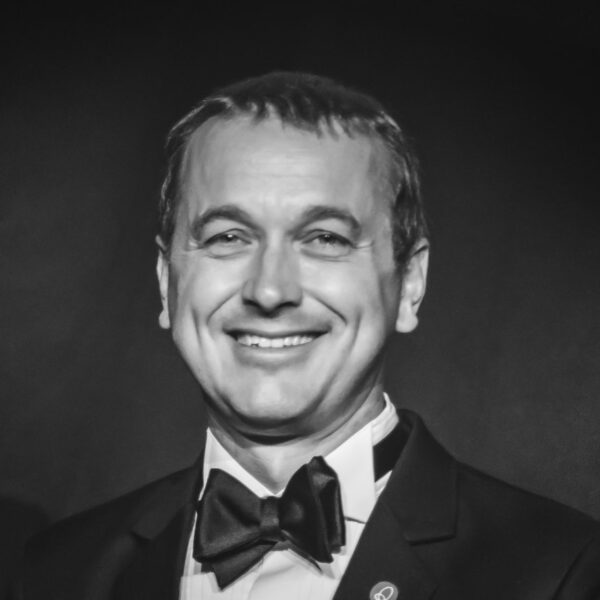
Ross Roberts
Establishment Advisory Group member
Ross Roberts
Establishment Advisory Group memberRoss is a Chartered Geologist and Engineer who has spent the last 20 years trying to bridge the communication gaps between technical disciplines and the public. He has a strong interest in assessing and communicating risk in a meaningful way.
A former Chair of the New Zealand Geotechnical Society, he works for Auckland Council as Chief Engineer where he helps coordinate the management of natural hazards for Auckland and is responsible for building resilience and sustainability into engineering and asset management decision-making and policy.
He is regularly involved in emergency management and is currently leading aspects of the Auckland recovery from the 2023 North Island Weather Events.
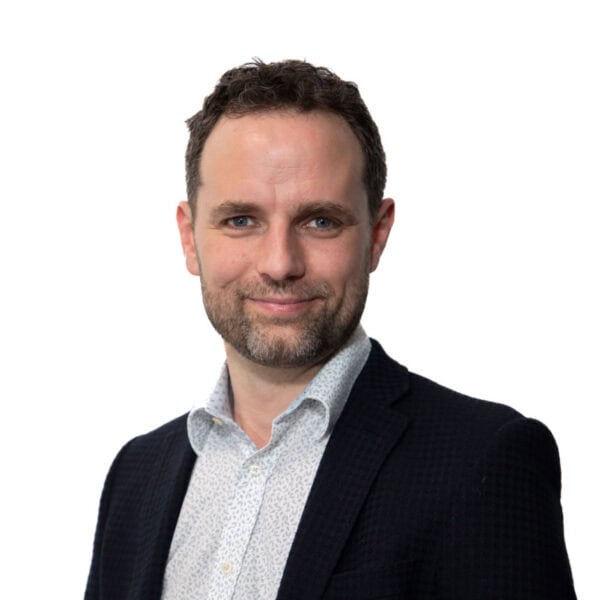
Thomas (Tom) Wilson
Establishment Advisory Group member
Thomas (Tom) Wilson
Establishment Advisory Group memberTom is the Chief Science Advisor for the National Emergency Management Agency | Te Rākau Whakamarumaru. He is also Professor of Disaster Risk & Resilience at University of Canterbury | Te Whare Wānanga o Waitaha. As NEMA’s Chief Science Advisor, Tom’s role is to lead and support providing high-quality, independent, scientific advice to NEMA and the wider Aotearoa New Zealand emergency management sector. Tom’s role also includes supporting strategic partnerships with science organisations and helping to better connect research with policy and practice.
Directorate Staff
Our directorate team oversees the operational management of the Platform and provides support to our large and diverse cohort of researchers.
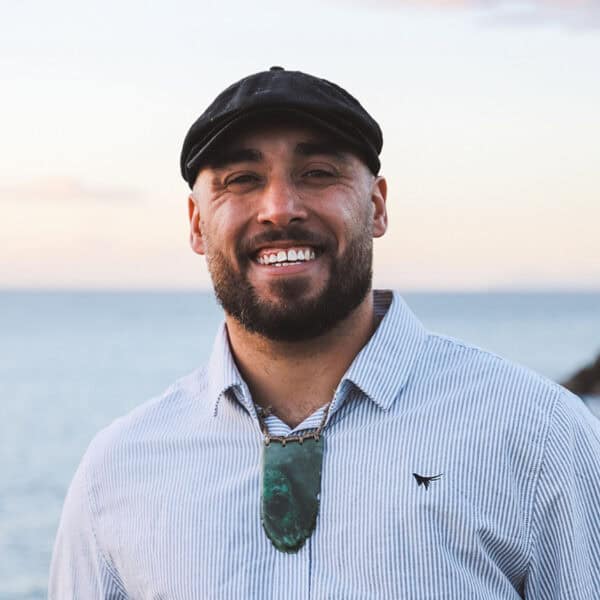
Hautapu Baker
Vision Mātauranga Knowledge Broker
Hautapu Baker
Vision Mātauranga Knowledge BrokerNgāti Porou, Te Aitanga a Hauiti
Based in Tauranga, Hautapu joined the Resilience National Science Challenge in 2023 as the Vision Mātauranga Knowledge Broker and has maintained this role into the Platform. He also serves as an elected member for Tauranga City Council, leveraging his eclectic background in banking, education, strategic Māori engagement, relationship and change development to achieve positive outcomes and greater impacts for community and the environment.
He has a Masters of Indigenous Studies from the University of Auckland, where his passion to see the fulfilment of the kind of relationship that Te Tiriti ō Waitangi as originally envisaged comes to fruition – where Māori would continue to exercise an independent authority, but necessarily engage in an interdependent relationship with tangata Tiriti. Most importantly to Hautapu he is a partner and father of three and loves spending time with his whānau.
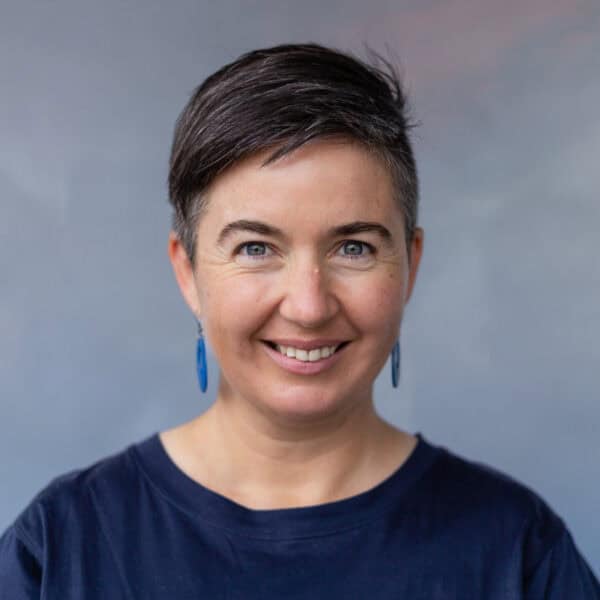
Caitlin Carew
Senior Communications Adviser
Caitlin Carew
Senior Communications AdviserCaitlin has a background in the environment sector, having worked in environmental advocacy, education and communications both in Aotearoa and Australia.
Prior to joining the Platform team, Caitlin spent five years as the senior communications advisor for the Resilience National Science Challenge. Caitlin enjoys the challenge of communicating complex science in a way that is tailored to the needs of users – whether that is policymakers in government or councils, or a community group.
Caitlin is also studying towards a Master of Science in Society at Te Herenga Waka Victoria University of Wellington, and when she isn’t working or studying, she loves running, gardening, and spending time outside with her family.
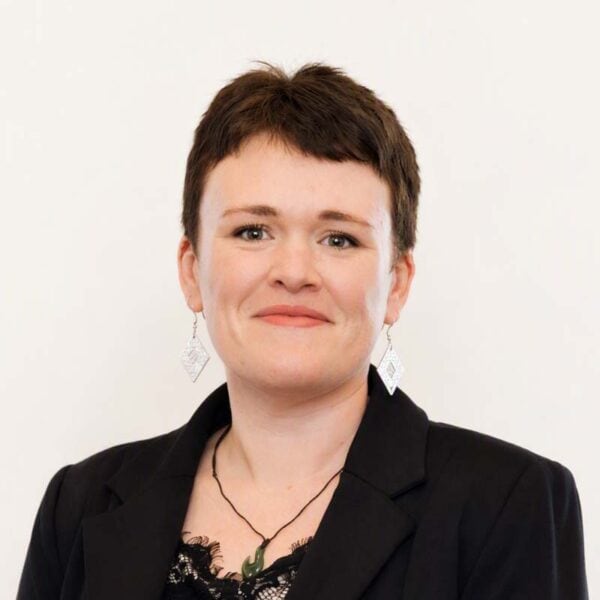
Nicky Smith
Platform Coordinator
Nicky Smith
Platform CoordinatorNicky supports coordination, engagement, and project delivery across the platform. She brings strong project management capability, applying structured approaches to deliver complex initiatives and foster collaboration. Previously, Nicky spent four years with the Resilience National Science Challenge. Her background also includes extensive experience in event management and community engagement, having worked in the business events sector and managed a not-for-profit arts venue.
Passionate about bridging research and communities, Nicky is committed to work that makes a tangible difference for people and the environment. Outside of work, she contributes to a number of strategic and community-focused initiatives, including serving as an elected member of the Wainuiomata Community Board.
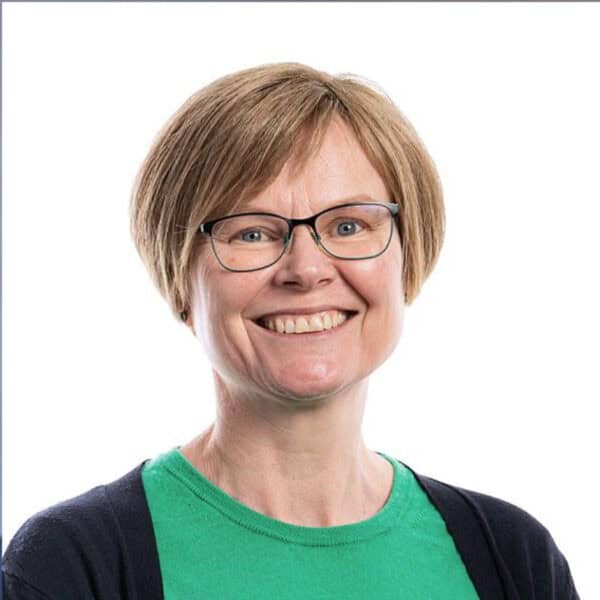
Erica Townend
Operations Manager
Erica Townend
Operations ManagerErica has a background as a senior scientist at GNS Science, focusing on geological dating of rocks and reconstructing past climate and environments using microfossils, geological and geochemical datasets.
In recent years she has recently shifted into project management roles, including two and a half years as Challenge Manager with the Resilience National Science Challenge. Her understanding and experience in research science motivates her to provide effective and relevant management support to help ensure project success.
Outside of work she loves being with her family and enjoys being in nature as often as possible.
International Science Panel
Our International Science Panel provides independent assurance and expert advice to the Platform Leadership Team, to ensure scientific excellence, international relevance, and high impact from the Platform’s research.
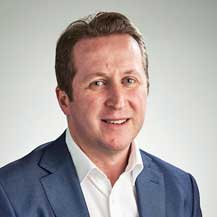
Andrew Gissing
Andrew Gissing
Andrew is the CEO of Natural Hazards Research Australia. He works with government, business and not-for-profits to make our communities safer and more resilient.
Andrew has over 25 years disaster management experience, including in senior executive roles. He previously held the position of Deputy Chief Officer / Director Emergency Management and Communication with the Victoria State Emergency Service and, before joining Natural Hazards Research Australia was a General Manager at Risk Frontiers.
Andrew holds Masters (Hons) of Science and Bachelor of Economics degrees and has published in leading international journals.
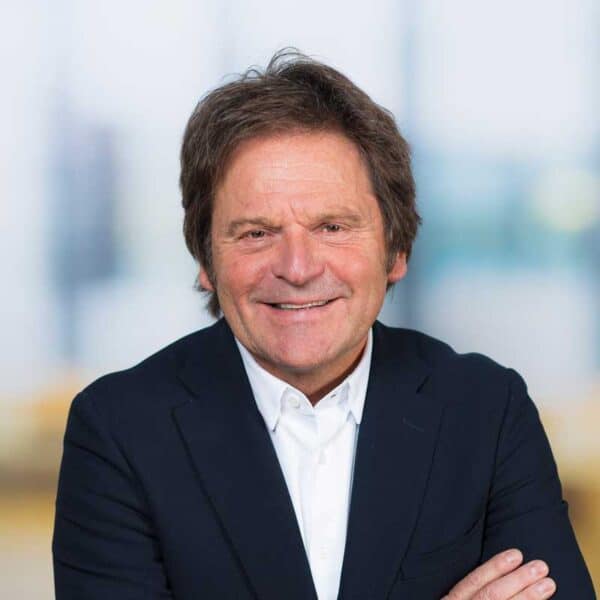
Chris Zevenbergen
Chris Zevenbergen
Chris Zevenbergen is Distinguished Professor at Chulalongkorn University, Emeritus Professor at TU Delft and IHE Delft (from July 2025), and Visiting Professor at Southeast University (SEU), China (since 2016). He is an internationally recognized expert in climate resilience, urban flood risk management, and water-sensitive urban development.
Over a career spanning more than four decades, he has advanced innovative approaches to building resilient deltas, cities, and communities facing climate change, flooding, and environmental pressures. His work spans both Europe and the Global South, with a strong focus on translating resilience science into practical solutions across diverse socio-economic and environmental contexts. His research focuses on integrated flood resilience strategies, flood-proof building designs and technologies, adaptive urban planning, and decision-support tools for resilient infrastructure development.
Combining engineering and design expertise with ecological, socio-economic, and institutional perspectives, he promotes holistic solutions that strengthen the capacity of urban and delta systems to anticipate, withstand, and recover from climate-related risks. He has published more than 200 scientific publications.
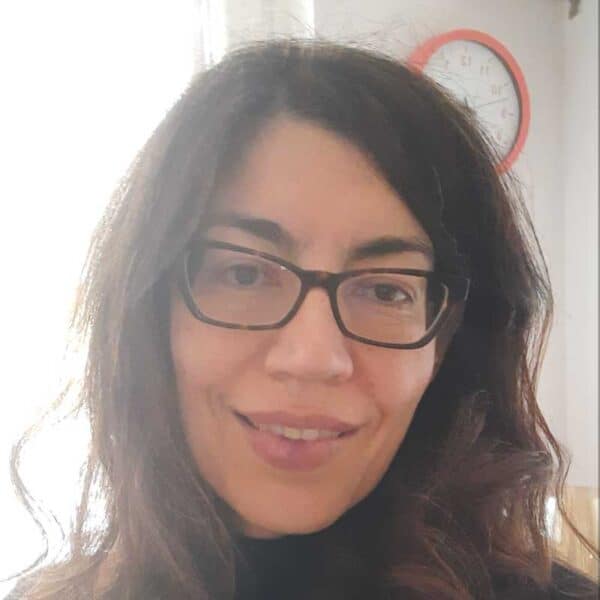
Fatemeh Jalayer
Fatemeh Jalayer
Fatemeh Jalayer is a professor in Geophysical Hazard Risks at the Institute for Risk and Disaster Reduction. Her research focuses on probabilistic methods and computational tools for risk modelling and disaster risk reduction. She is interested in numerical modelling of cascading phenomena and multi-risk assessment, involving treatment of uncertainties and consideration of time-dependent factors and drivers. She is increasingly interested in risk modelling considering the societal context and the complex interactions between human, nature, and the built environment.
Fatemeh holds a PhD from Stanford University, where her pioneering work in probabilistic seismic risk assessment contributed to the probabilistic basis of the SAC/FEMA seismic design guidelines and earned her the 2003 ASCE Norman Medal. She is currently Coordinator of the European Tsunami Risk Service (ETRiS) and Chair of the European Facilities for Earthquake Hazard and Risk (EFEHR), and is internationally recognized for probabilistic risk modelling, uncertainty analysis, multi-hazard assessment and disaster resilience.
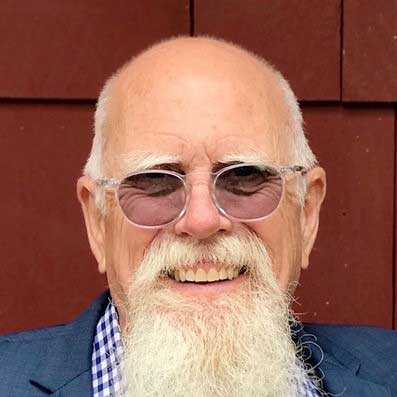
John C. Scott
John C. Scott
Mr. Scott founded and directed the Center for Public Service Communications to provide guidance to communities and public organizations to improve health services to underserved communities and improve the collection and sharing of scientific, technical and community knowledge to reduce human vulnerability to natural hazards.
Mr. Scott coordinated initiatives to engage indigenous peoples in disaster risk reduction on behalf of several United Nations agencies. He was principal author on the topic for the United Nations Permanent Forum on Indigenous Issues as well as the United Nations Commission on Human Right on the promotion and protection of the rights of indigenous peoples in disaster risk reduction, prevention and preparedness. He was also executive director of the National Congress of American Indians President’s Task Force on Health Information and Technology.
Mr. Scott is Tlingit, and a member of the Tlingit and Haida Indian Tribes of Alaska.
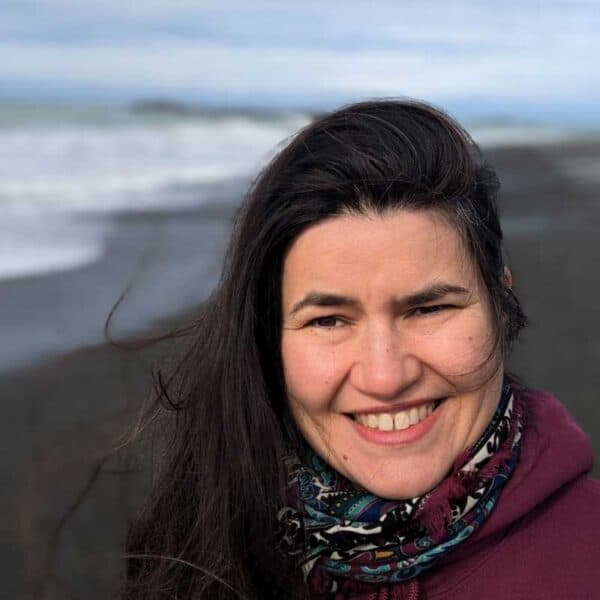
Lily Yumagulova
Lily Yumagulova
Dr. Lily Yumagulova has lived experience and professional experience with disasters and displacement. Her academic background includes emergency management, risk analysis, and a PhD in planning for disaster resilience.
Professionally, Lily brings over 20 years of experience in government, NGOs, media, Indigenous communities, and international organizations in Europe and North America.
In Canada, she is the Program Director for the Preparing Our Home Program which empowers Indigenous youth leadership in community resilience. Lily’s current research focuses on Indigenous self-determination in disaster risk reduction and planned relocation.
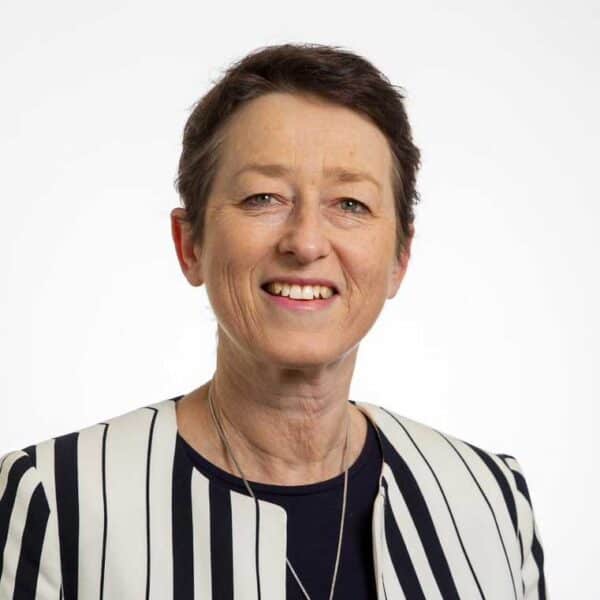
Lisa Gibbs
Lisa Gibbs
Lisa Gibbs is a Professor of Public Health at The University of Melbourne. Her research focuses on disaster recovery and resilience particularly relating to the interplay between individual and community level outcomes. Major studies under her leadership include the 10 years Beyond Bushfires study and the multi-award winning Recovery Capitals project which was led in partnership with Red Cross and Massey University.
Her disaster research programs have contributed new knowledge about the long term impacts of disasters on mental health and wellbeing and on student learning, and have identified opportunities to support recovery and resilience. Her research and related practical resources directly influence service and policy decision making in Australia and internationally through cross-sectoral partnerships with community, service provider and government representatives and disaster networks.
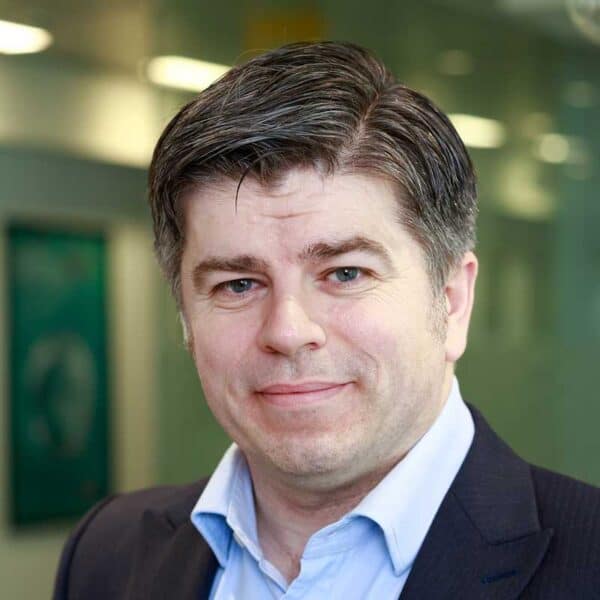
Richard Dawson
Richard Dawson
Professor Richard Dawson FREng is Dean of Research and Innovation at Newcastle University. Richard’s research focuses on understanding and managing climate and environmental risks to cities and infrastructure – for which he was elected a Fellow of the Royal Academy of Engineering in 2023.
He served on the UK’s Committee on Climate Change from 2019-2025, was a Lead Author of the Intergovernmental Panel on Climate Change’s 6th Assessment Report, and is currently a member of the Science and Technology Advisory Council for DESNZ (Department of Energy Security and Net Zero).
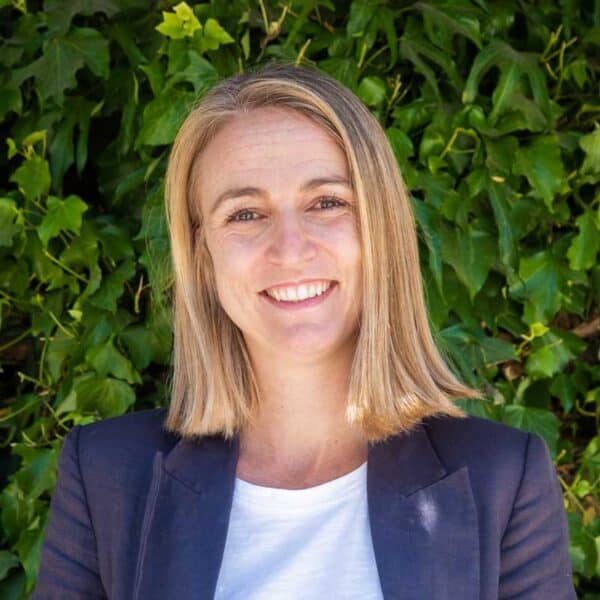
Rosita Jünemann
Rosita Jünemann
Rosita Jünemann is an Associate Professor in the Department of Structural and Geotechnical Engineering at Pontificia Universidad Católica de Chile and Director of CIGIDEN R+, the Center for Interdisciplinary Research on Disaster Risk, Resilience and Recovery.
Her research focuses on earthquake engineering, nonlinear structural analysis, and seismic and tsunami risk assessment of the built environment. She has worked extensively on the performance of reinforced concrete wall buildings during strong earthquakes, combining post-earthquake observations, numerical modeling, fragility analysis, and collapse assessment.
Her recent work extends these approaches to multi-hazard contexts, including sequential earthquake–tsunami loading, urban-scale exposure and vulnerability modeling, and risk-informed tools for coastal cities. She leads interdisciplinary research that connects structural engineering, hazard assessment, and disaster risk management to support evidence-based decisions for safer and more resilient communities.
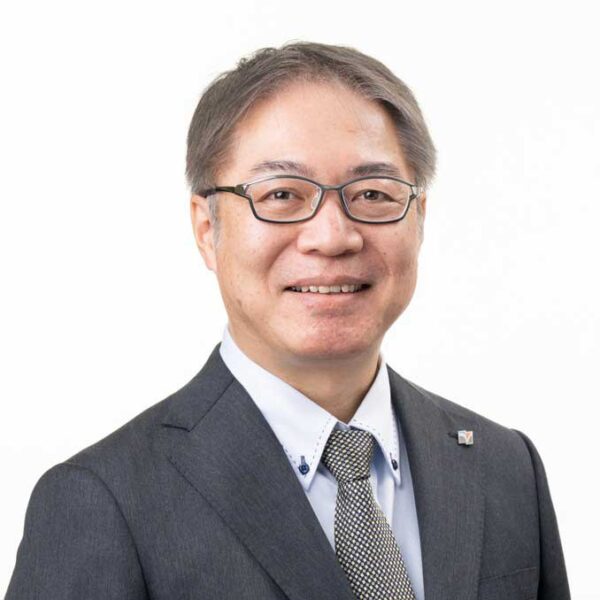
Tetsuya Takeda
Tetsuya Takeda
Dr. Tetsuya Takeda is a Principal Researcher at the National Research Institute for Earth Science and Disaster Resilience (NIED), Japan. He received his Ph.D. in Earth and Planetary Science from the University of Tokyo.
He currently serves as Group Head of the Marine Earthquake and Tsunami Observation Group. He played a key role in the development of the Nankai Trough Seafloor Earthquake and Tsunami Observation Network (N-net), which was completed in 2025. N-net monitors the offshore source region of the Nankai Trough, a major subduction zone off southwestern Japan where great earthquakes and tsunamis have repeatedly occurred.
His research focuses on observational seismology, particularly crustal and plate structures, active faults, and earthquake and tsunami hazards associated with subduction zones. Through the development and operation of seafloor observation networks, he aims to improve real-time monitoring capabilities and contribute to disaster risk reduction.