
Story
Ngā Herenga o Papatūānuku
11/05/2026
Weaving a Tangata Whenua Climate Adaptation Network
Tangata whenua are not new to adaptation. Across generations, iwi, hapū and kāinga have responded to environmental change through whakapapa, mātauranga, tikanga and collective action. Supported by the Resilience Platform, the Nature Conservancy and many others, Ngā Herenga o Papatūānuku is strengthening the connections needed to carry that knowledge and leadership into an increasingly uncertain climate future.
Across Aotearoa, tangata whenua are already leading responses to climate change and natural hazards. Yet practitioners, researchers, iwi, hapū and kāinga often undertake this work with limited opportunities to connect across rohe, share learning, and build on one another’s experience.
Ngā Herenga o Papatūānuku emerged from a collective call to change that.
A kaupapa that began in Maketū
The foundations for developing a national tangata whenua climate adaptation network were laid at Whakaue Marae in Maketū, in 2023, when more than 100 people gathered for a wānanga responding to the Environment Select Committee inquiry into community-led retreat and climate adaptation.
A clear message emerged: the challenge is not an absence of Māori knowledge, capability or leadership. Tangata whenua hold generations of experience in responding to environmental change, alongside contemporary expertise spanning climate adaptation, natural hazards, planning, governance, restoration, research and technology.
What is often missing are the connections, resources and systems that enable that capability to be shared and sustained.
Over the following years, kōrero and connections continued through hui, workshops and research activities across the motu. Again and again, people spoke about the value of stronger connections between tangata whenua practitioners, researchers, hapū, iwi and communities — and the opportunity to make existing Māori adaptation leadership more visible and accessible.
Returning to Maketū
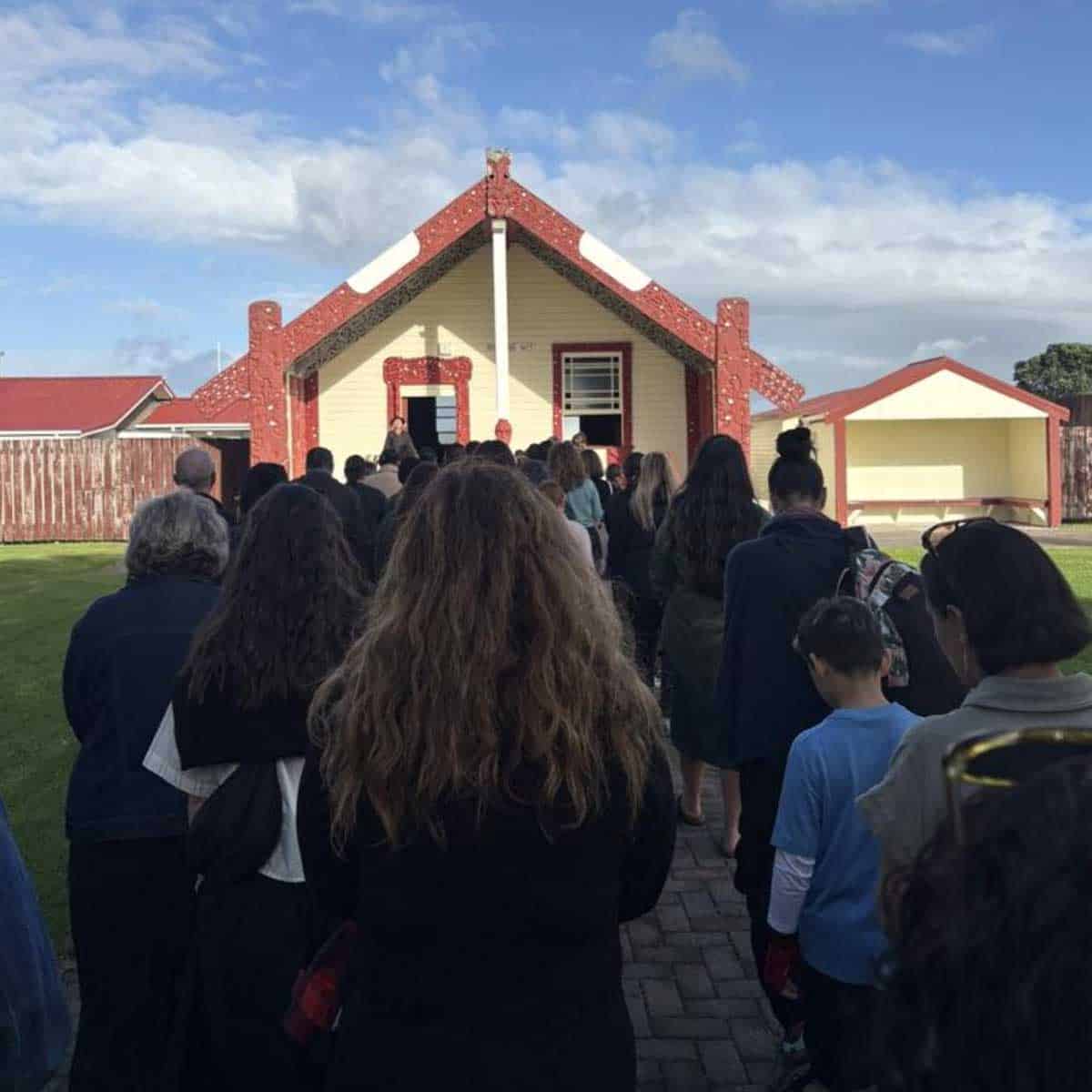
On 16 and 17 April 2026, the kaupapa returned to where it began. More than 100 participants gathered at Whakaue Marae for the Ngā Herenga o Papatūānuku noho wānanga, hosted by Ngāti Whakaue ki Maketū.
Returning to Maketū was significant. The 2026 noho brought the kōrero home, creating space not simply for another climate conference, but for whakawhanaungatanga, wānanga, challenge, storytelling, collective learning and imagining what a tangata whenua climate adaptation network could become.
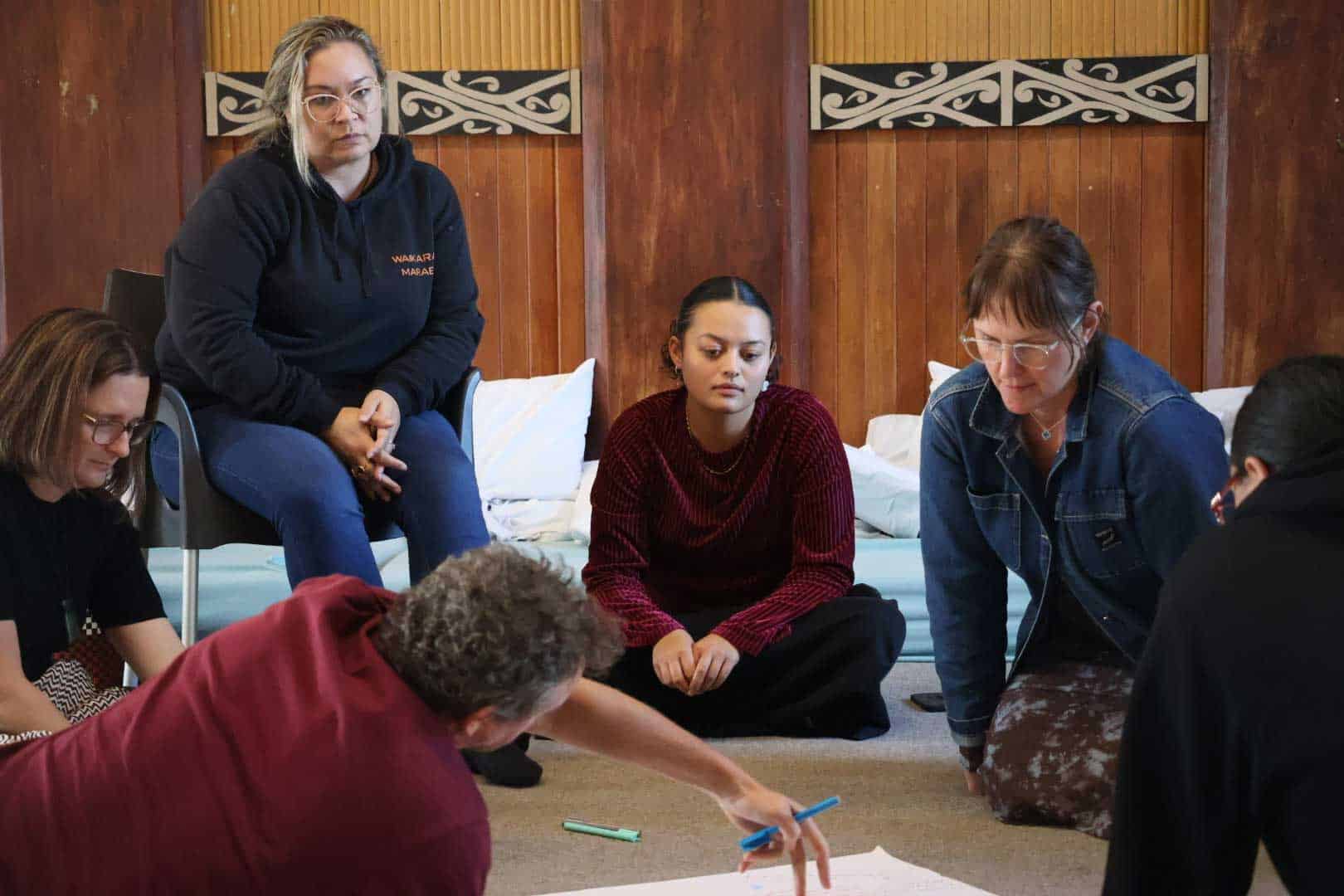
Participants brought experience spanning community and adaptation planning, environmental restoration, governance, research, technology, rangatahi leadership and rauora initiatives.
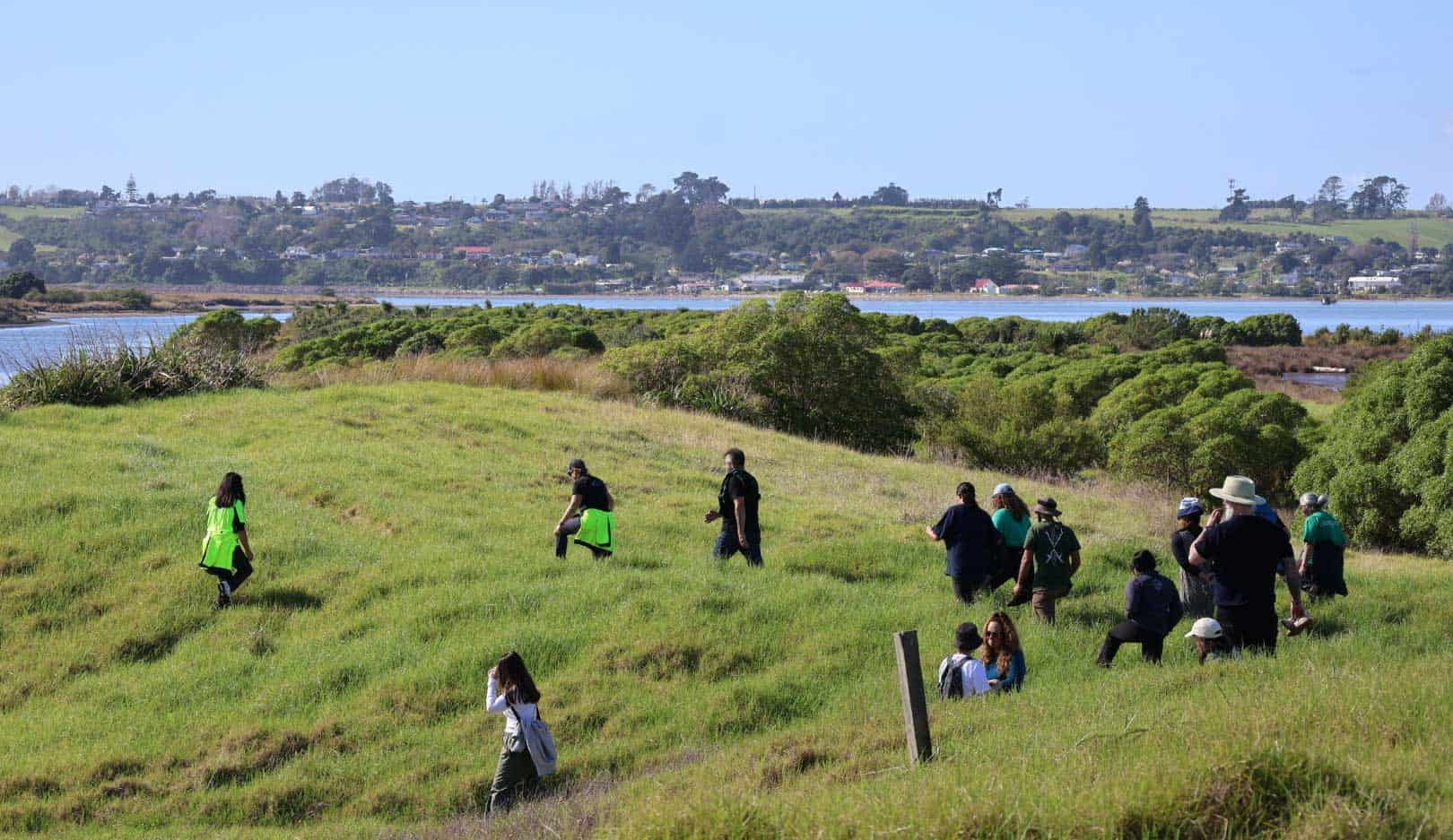
Through presentations, panel discussions, site hīkoi, workshops, storytelling and informal kōrero, people shared not only what was working, but also the complexity, uncertainty and hard-won lessons of undertaking adaptation in practice.
Adaptation is also about authority
Kōrero across the wānanga was framed through Ngā Papa Whakahaere e Toru — the Three Spheres of Influence — encouraging participants to consider adaptation through the interconnected spheres of rangatiratanga, kāwanatanga and ōritetanga.
This shifted discussion beyond technical questions of hazards, exposure and risk. It opened deeper questions about the systems within which adaptation occurs: Who holds authority? Whose knowledge shapes decisions? What decisions properly sit within the sphere of tangata whenua rangatiratanga? Where are Crown and local government responsibilities located? And what must be worked through together?
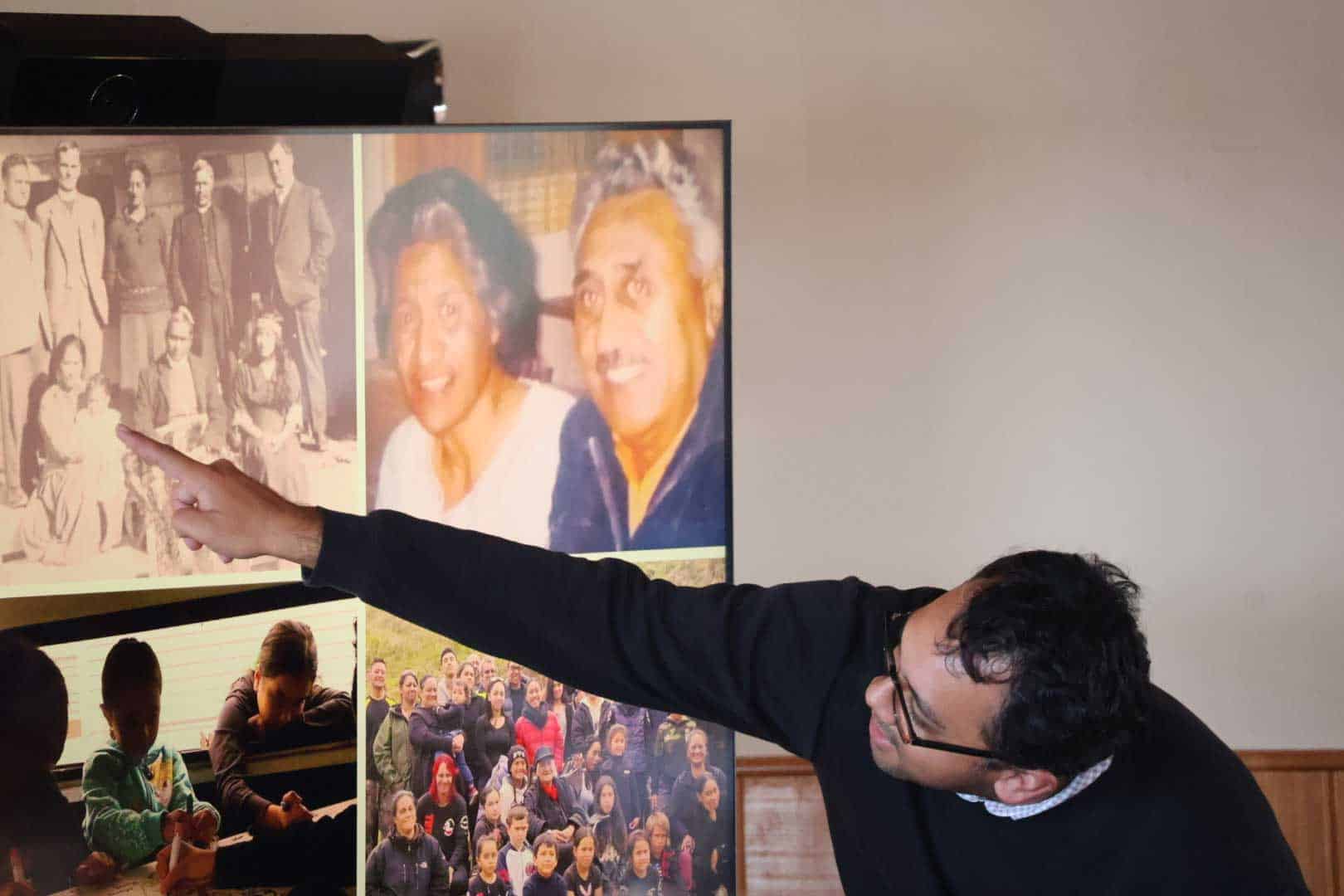
Participants reaffirmed that adaptation is not simply a technical response to climate change. It is an intergenerational responsibility grounded in whakapapa, tikanga and enduring relationships with whenua and wai.
Leadership, in this context, is about carrying people through uncertainty while remaining accountable to those who came before and those still to come.
The capability already exists. The opportunity is to weave it together.
What emerged from Maketū was not a call to create tangata whenua adaptation capability from scratch. That capability is already present across the motu.
The opportunity is to better connect it: to strengthen relationships across rohe; make Māori adaptation leadership more visible; support appropriate sharing of mātauranga and practical experience; connect practitioners, researchers, iwi, hapū and kāinga; and create enduring infrastructure through which tangata whenua can support and learn from one another.
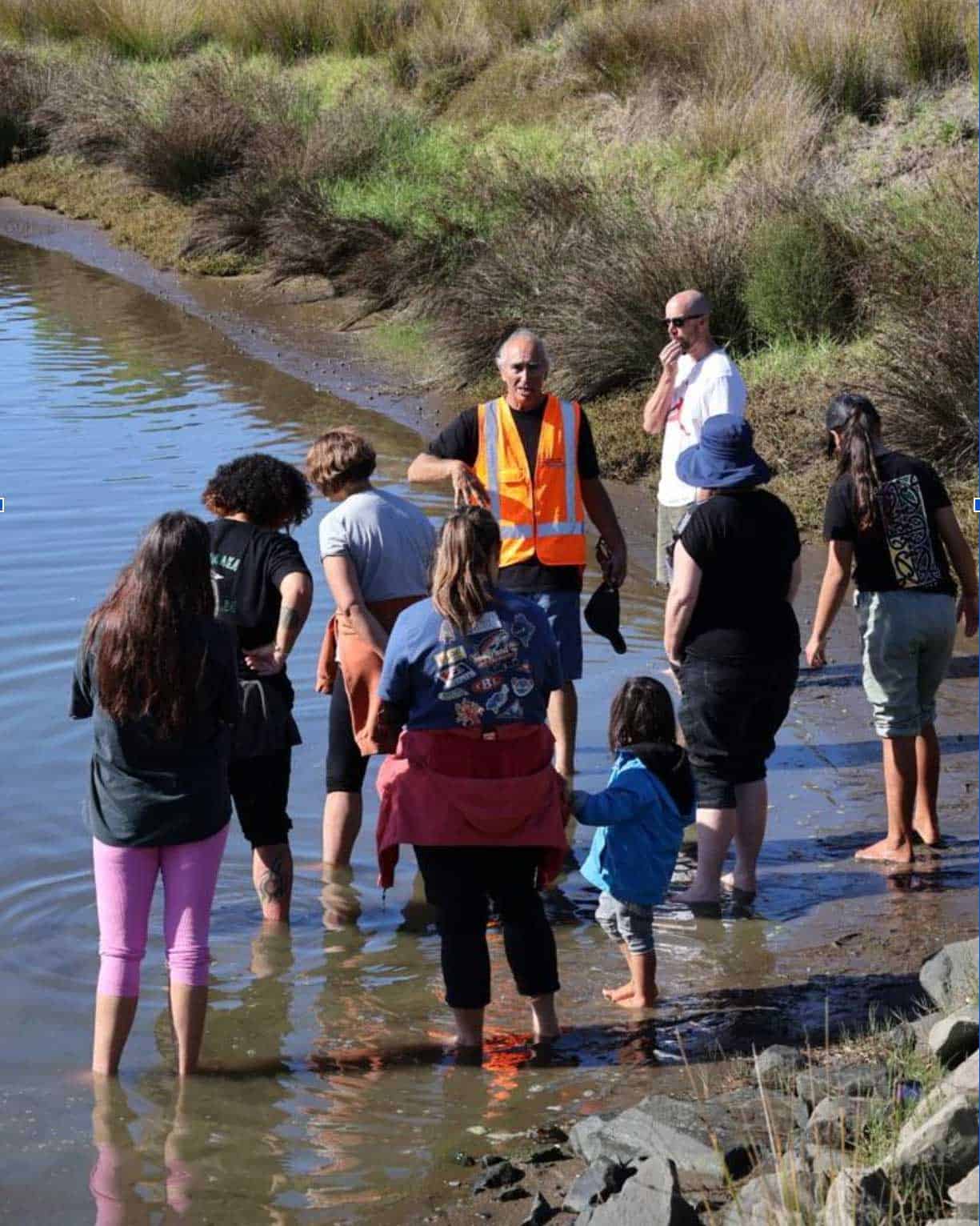
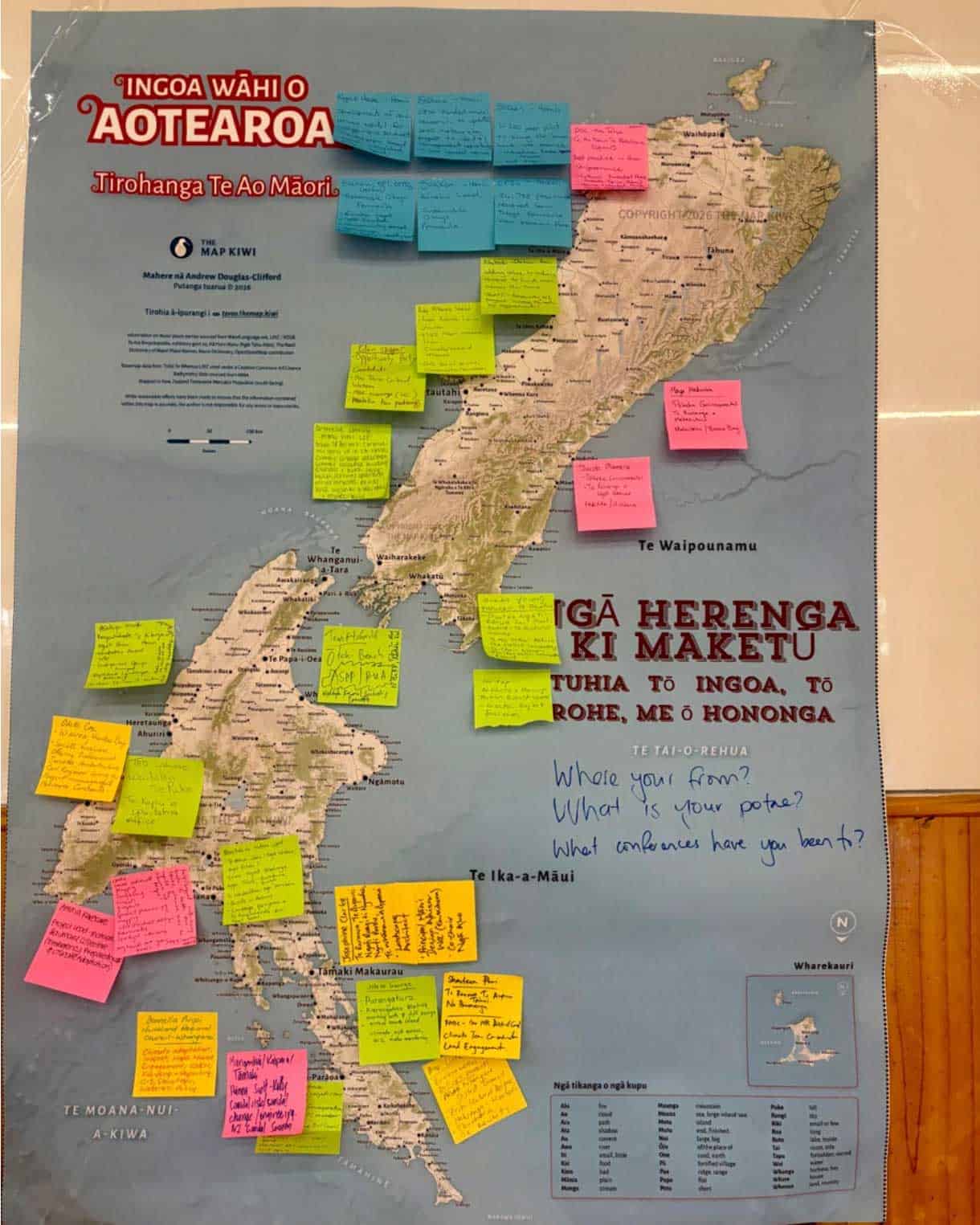
Participants identified practical opportunities including capability mapping, practitioner directories, stronger regional connections, communication platforms, shared resources and future wānanga.
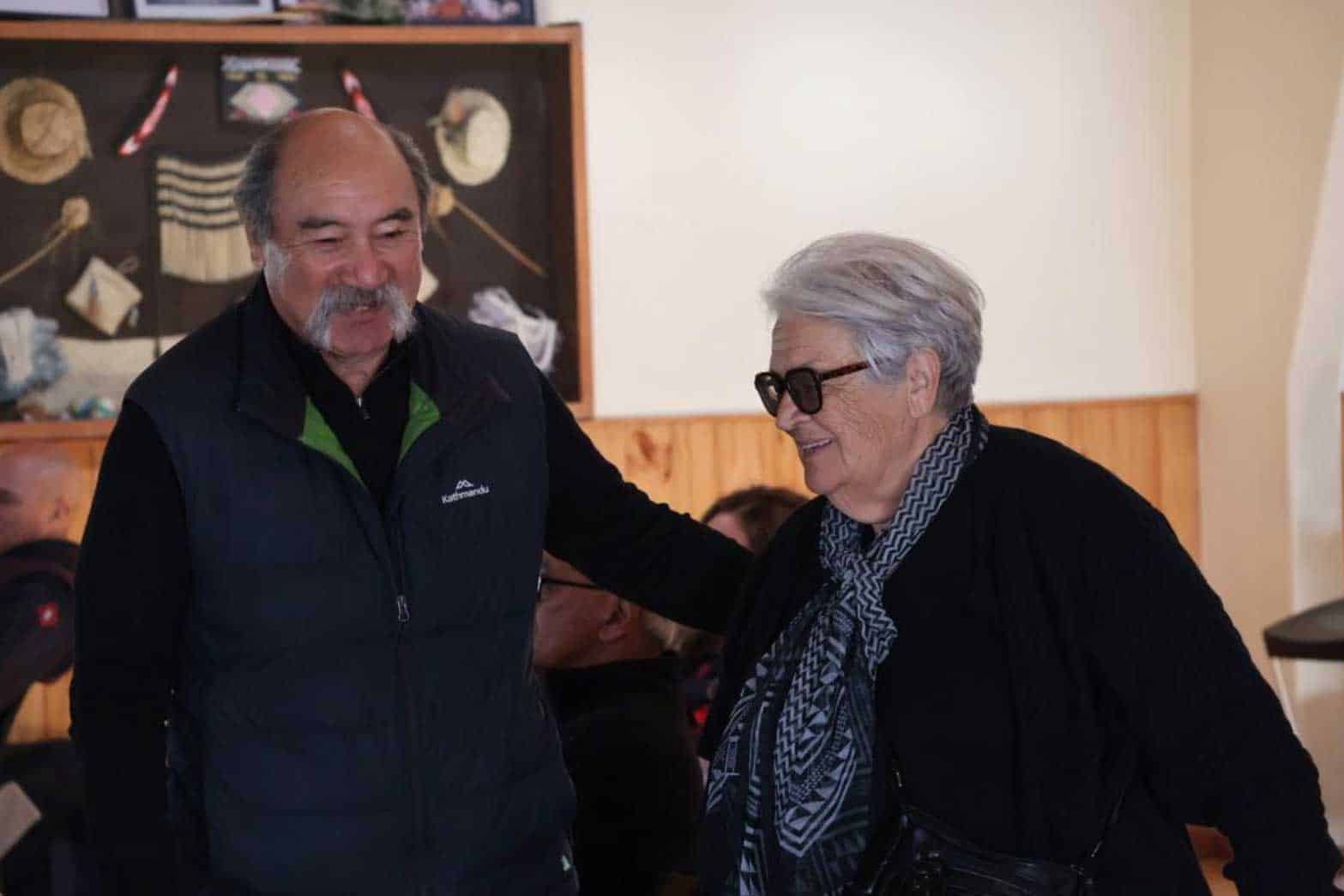
Underlying all of these was something less tangible but equally important: whakawhanaungatanga. Trust, reciprocity and enduring relationships are not supplementary to successful adaptation. They are part of its foundation.
Making tangata whenua adaptation visible
One of the outputs of Ngā Herenga o Papatūānuku is a growing kete of resources and case studies that make visible what tangata whenua-led adaptation already looks like in practice.
Across the motu, adaptation is taking many forms: planning for changing environments, restoring wetlands and waterways, developing digital tools, exercising environmental governance, strengthening regional climate leadership, supporting rangatahi-led restoration, developing ethical approaches to decision-making and exploring emerging technologies such as artificial intelligence.
There is no single Māori adaptation pathway — nor should there be. Each iwi, hapū and kāinga brings its own whakapapa, tikanga, mātauranga, priorities and relationship with place. The case studies therefore do not offer a template to replicate. Instead, they share experience, insights and possibilities that others can draw from and adapt within their own context.
Together, they demonstrate the depth of innovation and leadership already present within tangata whenua communities.
The next weaving
Ngā Herenga o Papatūānuku continues to evolve as a living kaupapa. The next phase is about strengthening the herenga — the relationships, responsibilities and connections through which tangata whenua can learn from one another, exercise leadership and navigate an uncertain climate future together.
As climate impacts intensify, the need for these connections will only become greater. Ngā Herenga o Papatūānuku is therefore about more than establishing another network. It is about strengthening the conditions through which tangata whenua leadership, mātauranga and collective action can flourish.
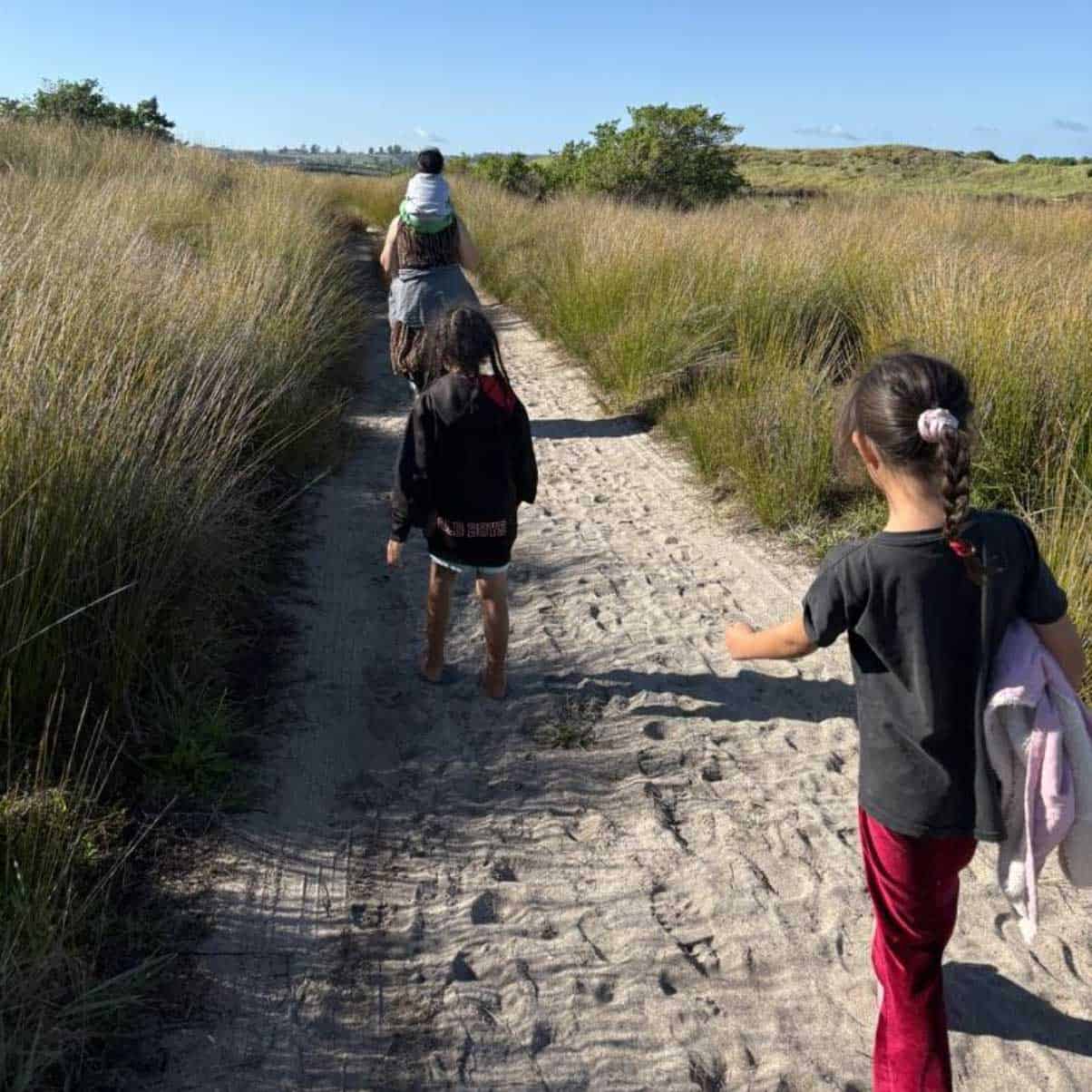
The foundations have been laid. The next task is to keep weaving.
Who to connect with to find out more
Ngā Herenga o Papatūānuku is a collaborative kaupapa involving practitioners, researchers, iwi, hapū and organisations from across Aotearoa.
The initiative is supported by the Natural Hazards and Resilience Platform, The Nature Conservancy, Ngāti Whakaue ki Maketū, Kohuorangi Communications and the Aotearoa Society of Adaptation Professionals | Rōpū Urutaunga Aotearoa. The project has been guided by Te Kāhui Whakahaere o Ngā Herenga o Papatūānuku and a wider collective of tangata whenua climate adaptation practitioners and researchers.
For enquiries about the kaupapa, resources, case studies, or future involvement, please contact:
- Lara Taylor (Te Arawa, Ngāti Tūwharetoa, Ngāti Pāhauwera, Ngāi Tahu ki Murihiku | E Oho! Awakening Aotearoa)
- Dr Shari Gallop (Te Rarawa, Ngāti Maru ki Hauraki | Beca and the University of Waikato)
- Dr Akuhata Bailey-Winiata (Tūhourangi, Ngāti Whakaue | Pattle Delamore Partners Ltd and the University of Waikato)
- Dr Yvonne Taura (Ngāi Te Rangi, Ngāti Ranginui, Ngāti Hauā, Ngāti Tūwharetoa, Ngāti Uenuku | Bioeconomy Science Institute)
- Milly Grant-Mackie (Te Rarawa, Ngāti Kahu ki Whaingaroa, Ngāpuhi | University of Auckland)
Ngā mihi nui to the many people who have helped weave and strengthen this kaupapa, including Te Kāhui Whakahaere o Ngā Herenga o Papatūānuku: Hon. Kiritapu Allan, Elva Conroy, Fiona Kemp, Lani Kereopa and Lucy Kaiser; hau kāinga host and collaborator Roana Bennett; and the Kohuorangi Communications team: Charlotte Boyt, Samson Wainoho, Mohaka Hooper and Chantelle Conroy. We also acknowledge the many participants, speakers, facilitators, ringawera, partners and supporters who have contributed their time, knowledge, relationships and leadership to this kaupapa.
Share:
View more Stories
Sorry, we couldn't find any Post.
Join our Community
Subscribe to our newsletter to stay up to date with Resilience Platform news and opportunities to get involved.